Source breathable cotton baby sleeping bag for Winter, Summer, and Newborn
Compare 30 breathable cotton baby sleeping bag options from verified suppliers. These products feature 100% cotton materials, various styles like cocoon and sleeveless types, and customizable designs for newborns and infants; compare the available evidence and request quotations based on your requirements.
Key considerations
Products List


Comprehensive Sourcing Guide
Breathable Cotton Baby Sleeping Bag Sourcing Guide
Sourcing breathable cotton baby sleeping bags requires a careful balance of material science, safety compliance, and commercial flexibility. Buyers must navigate a market where "cotton" is a broad term encompassing various grades, from standard raw cotton to premium combed or organic variants. The primary value proposition for these products lies in their ability to regulate infant temperature while maintaining a soft, skin-friendly touch. This guide outlines the essential verification steps for procurement professionals, focusing on the specific attributes observed in current listings, such as customization options, fabric composition, and packaging standards. Understanding these nuances is critical for selecting suppliers who can deliver consistent quality and meet the rigorous demands of the baby care industry.
The procurement landscape for baby sleep sacks is characterized by high variability in design and manufacturing capabilities. Listings indicate a wide range of models, including cocoon and sleeveless types, with origins primarily in China, particularly Hebei province. Buyers should recognize that while many suppliers offer OEM and ODM services, the actual product specifications can vary significantly between batches and vendors. This guide emphasizes the need for rigorous due diligence, ensuring that every claim regarding breathability, antibacterial properties, or material composition is backed by verifiable documentation. By focusing on concrete technical specifications and commercial terms, buyers can mitigate risks associated with inconsistent quality and ensure that the final product aligns with their brand’s safety and comfort standards.
Product Scope and Observed Listing Signals
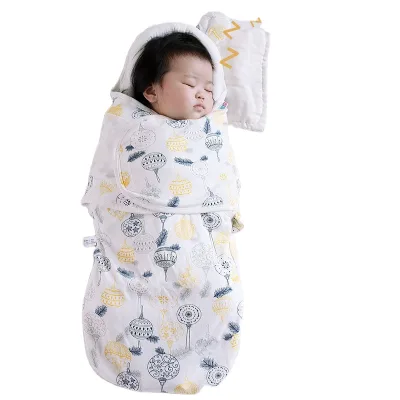
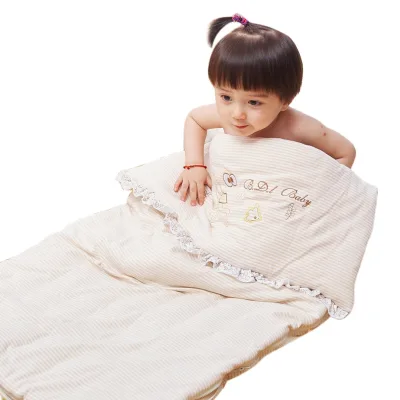
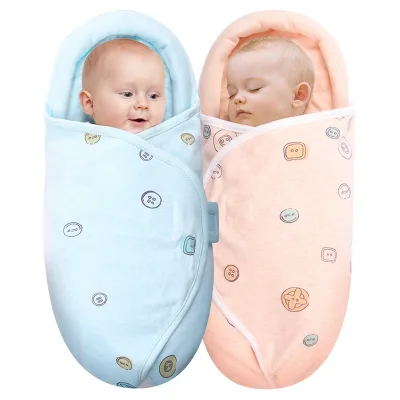
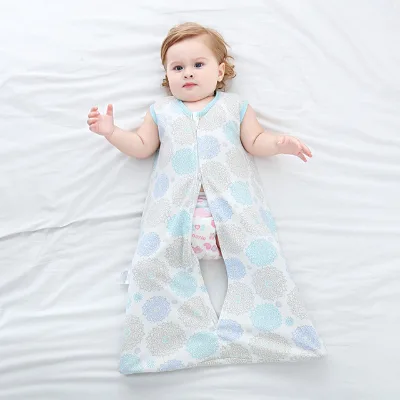
The current market for breathable cotton baby sleeping bags presents a diverse array of product types, including cocoon-style and sleeveless designs, catering to different infant mobility stages. Listings reveal a strong emphasis on customization, with suppliers offering ODM and OEM services alongside in-stock items. Key attributes frequently observed include 100% cotton or 100% combed cotton materials, with some variations specifying bamboo blends for enhanced softness. The product range spans multiple age groups, from newborns to toddlers aged 3-3t, with specific size brackets like 0-3m, 3-6m, and 6-9m being common. Buyers should note that while "breathable" and "anti-bacterial" are frequent feature claims, these are often marketing descriptors that require independent verification through material testing and supplier audits.
Packaging and model identification vary widely across suppliers, indicating a fragmented supply chain with numerous small to medium-sized manufacturers. Observed packaging methods include individual polybags, OPP bags, or bulk carton packing, with some suppliers specifying 200 pieces per carton for logistics efficiency. Model numbers such as Baby Sleeping Bag-061H, BSB25001, and others suggest a high degree of product differentiation, allowing buyers to request specific designs or modifications. The presence of round necks, long or short sleeves, and buttonless designs highlights the importance of safety features in product selection. Procurement teams must carefully review these technical details to ensure that the selected sleeping bags meet specific retail requirements and safety standards, avoiding assumptions based solely on generic product titles.
Technical Specifications to Verify
Verifying the exact material composition is the most critical technical step in sourcing breathable cotton baby sleeping bags. Buyers must distinguish between standard cotton, combed cotton, and blended fabrics, as each offers different levels of softness, durability, and breathability. Listings mention "100% Cotton" and "100% Combed Cotton," but suppliers may also offer customized fabric options. It is essential to request physical samples to assess the hand feel, weave density, and thermal regulation properties. Additionally, buyers should confirm the presence of specific features such as antibacterial treatments or sustainable sourcing claims, ensuring these are not merely marketing terms but are supported by material certificates. The absence of buttons in some designs is a notable safety feature that reduces choking hazards, making it a key specification to verify for younger age groups.
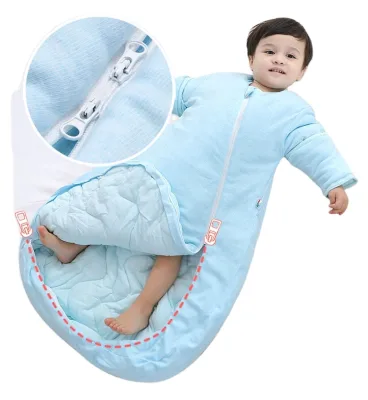
Construction details and design elements significantly impact the functionality and safety of the sleeping bag. Buyers should inspect the stitching quality, zipper durability, and overall seam integrity to prevent tearing or unraveling during use. The type of sleeping bag, whether cocoon or sleeveless, affects the infant’s range of motion and temperature regulation, so selecting the appropriate style is crucial. Specifications such as neck shape, sleeve style, and gender neutrality should be aligned with the target market’s preferences. Furthermore, verifying the production name and model number against the supplier’s catalog ensures consistency in future orders. Buyers must also consider the packaging specifications, as improper packaging can lead to product damage or contamination before reaching the end consumer, affecting brand reputation and customer satisfaction.
Compliance and Safety Documentation
Safety compliance is non-negotiable in the baby product sector, requiring rigorous documentation to ensure that sleeping bags meet international and regional standards. Buyers must verify that suppliers adhere to strict flammability, chemical, and physical safety regulations, such as those enforced by the CPSC in the United States or EN standards in Europe. While listings may mention "Oeko-Tex" or similar certifications, buyers should request valid, up-to-date certificates for each batch of materials used. This includes verifying that the cotton and any additional fabrics are free from harmful substances like formaldehyde, heavy metals, and azo dyes. The absence of buttons and the use of safe zipper designs are critical physical safety features that must be confirmed through detailed product inspections and risk assessments.
Documentation should also cover the supply chain’s transparency, including the origin of raw materials and the manufacturing processes employed. Buyers should require suppliers to provide detailed material safety data sheets (MSDS) and test reports from accredited third-party laboratories. These documents should confirm that the products meet specific standards for breathability and skin-friendliness, ensuring they are suitable for delicate infant skin. Additionally, buyers must verify that the suppliers have robust quality management systems in place, such as ISO certifications, to ensure consistent production quality. By demanding comprehensive compliance documentation, buyers can mitigate legal risks and protect their brand’s reputation, ensuring that every sleeping bag sold is safe for infants and meets the highest industry standards.
Cost Drivers and Commercial Terms
The cost of breathable cotton baby sleeping bags is influenced by several key factors, including material quality, customization complexity, and order volume. Listings indicate a price range of $2.35 to $16.86, reflecting the vast differences in fabric grades, design intricacies, and packaging options. High-quality combed cotton or bamboo blends typically command higher prices due to their superior softness and durability. Customization services, such as ODM or OEM designs, add to the cost due to the additional engineering and tooling required. Buyers should also consider the MOQ (Minimum Order Quantity), which ranges from 2 to 500 pieces, as larger orders often benefit from economies of scale, reducing the per-unit cost. Understanding these cost drivers is essential for budgeting and negotiating favorable terms with suppliers.
Commercial terms, including lead times and payment conditions, play a significant role in the overall procurement strategy. Suppliers often offer sample order lead times of around seven days, which is crucial for rapid product development and testing. However, bulk production lead times can vary significantly based on order size and supplier capacity. Buyers should negotiate clear delivery schedules and penalty clauses for delays to ensure timely product availability. Payment terms, such as deposits and balance payments, should be structured to balance risk and cash flow. Additionally, buyers must account for shipping and logistics costs, which can impact the final landed cost. By carefully evaluating these commercial terms, buyers can optimize their supply chain efficiency and maintain competitive pricing in the market.
Supplier Qualification and Quality Control
Qualifying suppliers for breathable cotton baby sleeping bags requires a thorough assessment of their manufacturing capabilities, quality control processes, and business stability. Buyers should conduct on-site audits or request detailed virtual tours to verify the supplier’s production facilities, equipment, and workforce training. It is essential to confirm that the supplier has a robust quality management system in place, including incoming material inspections, in-process checks, and final product testing. Suppliers offering OEM and ODM services should demonstrate their design and engineering capabilities, ensuring they can meet specific product requirements. Additionally, buyers should verify the supplier’s track record, including their experience in the baby product industry and their reputation for delivering consistent quality.
Quality control measures must be integrated into every stage of the production process to ensure product consistency and safety. Buyers should implement pre-production samples, during-production inspections, and pre-shipment inspections to identify and rectify any issues early. Specific checks should include material composition verification, stitching integrity, zipper functionality, and packaging accuracy. Suppliers should provide detailed inspection reports and test results for each batch, allowing buyers to maintain full visibility into the quality of their products. Furthermore, buyers should establish clear communication channels with suppliers to address any concerns promptly and collaboratively. By prioritizing supplier qualification and rigorous quality control, buyers can minimize defects, reduce returns, and build a reliable supply chain for their breathable cotton baby sleeping bags.
Long-Term Procurement Checks
Establishing long-term procurement relationships with suppliers of breathable cotton baby sleeping bags requires continuous monitoring and periodic re-evaluation. Buyers should conduct regular performance reviews, assessing suppliers on key metrics such as on-time delivery, product quality, and responsiveness to issues. It is essential to stay updated on changes in safety regulations and industry standards, ensuring that suppliers remain compliant with the latest requirements. Buyers should also monitor market trends and consumer preferences, adapting their product offerings accordingly. By maintaining open communication and fostering collaborative partnerships, buyers can leverage supplier expertise for innovation and cost optimization. Long-term relationships also provide stability in supply, reducing the risk of disruptions and ensuring consistent product availability.
Continuous improvement initiatives should be encouraged through regular feedback loops and joint problem-solving sessions. Buyers should share customer feedback and return data with suppliers to drive product enhancements and quality improvements. Additionally, buyers should explore opportunities for sustainability and ethical sourcing, such as using organic cotton or eco-friendly packaging, to align with growing consumer demand for responsible products. Regular audits and certifications should be renewed to ensure ongoing compliance and quality assurance. By implementing these long-term procurement checks, buyers can build a resilient and competitive supply chain, ensuring that their breathable cotton baby sleeping bags continue to meet the highest standards of safety, quality, and customer satisfaction.
FAQs
What materials are used for breathable cotton baby sleeping bags?
The products are primarily made from 100% cotton or 100% combed cotton. Some variations utilize bamboo material for enhanced softness. These fabrics ensure the sleeping bags remain breathable and skin-friendly for daily baby use, providing comfort during both summer and winter seasons.
Can I customize the design of the baby sleeping bags?
Yes, customization is available for these sleeping bags. Buyers can request specific designs according to their requirements. The fabric and style can be customized, and OEM services are supported. This allows for tailored solutions that meet specific brand or functional needs for the final product.
What is the minimum order quantity for these sleeping bags?
The minimum order quantity varies by supplier but typically ranges from 2 to 500 pieces. Some standard listings specify an MOQ of 100 pieces. Buyers should check specific product pages for exact MOQ requirements, as these thresholds depend on the customization level and production capacity of the manufacturer.
How long does sample order lead time take?
Sample orders are supported with a lead time of 7 days. This allows buyers to quickly evaluate the quality, fabric, and stitching of the sleeping bags before committing to larger bulk orders. The fast turnaround ensures efficient product validation and reduces overall sourcing time for new inventory.
What sizes are available for the baby sleep sacks?
Available sizes include 0-3m, 3-6m, and 6-9m for newborns and infants. Other models cover the 3m-3t age group. These size ranges ensure a proper fit for different developmental stages, helping parents select the correct sleep sack for their child's current age and growth needs.
Are the sleeping bags suitable for summer use?
Yes, specific models are designed for summer use. They feature breathable fabrics like combed cotton or bamboo to keep babies cool. The sleeveless or short-sleeve styles further enhance airflow. These features make them ideal for warmer weather while maintaining the safety and comfort required for infant sleep.